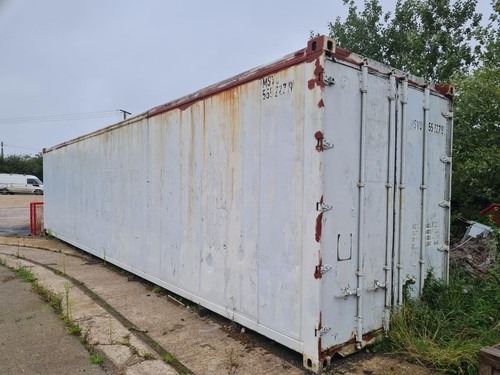
A Brief History History Of Single Trip Containers
Understanding Single Trip Containers: Benefits, Uses, and Considerations
In a world defined by globalization and swift logistics processes, shipping containers play an important role in carrying products across vast distances. Amongst these, single trip containers have acquired specific attention due to their special characteristics and cost-effectiveness. This article checks out single trip containers in-depth, analyzing their advantages, uses, and considerations, along with vital FAQs to supply a detailed understanding of this shipping service.
What Are Single Trip Containers?
Single trip containers are utilized shipping containers that are acquired directly from shipping lines or providers for one-time transport purposes. The containers are typically brand new or almost new, having made just one journey from their origin to a destination. This one-way use model provides a number of benefits, making them an attractive option for services and people alike.
Key Features of Single Trip Containers
Before diving into their advantages, it's important to comprehend the fundamental attributes that distinguish single trip containers from other kinds of shipping containers. Here are the core functions:
Feature
Description
Condition
Usually new or almost new, often lacking wear and tear.
Cost
Normally lower price compared to new containers.
Usage
Designed for one-time transport of goods.
Durability
Strong and efficient in handling different cargo types.
Versatility
Readily available in various sizes (20ft, 40ft, and so on).
Benefits of Using Single Trip Containers
Single trip containers present numerous advantages that can benefit various industries. Below are some significant advantages:
1. Cost-Effectiveness
Single trip containers are often more affordable than new containers. As they are acquired for a one-time journey, organizations conserve cash on upfront expenses. This is especially helpful for smaller business or individuals searching for economical shipping alternatives.
2. Immediate Availability
These containers are easily available for instant shipping requirements. Unlike standard containers, which may require a waiting period for organization and procurement, single trip containers can be quickly sourced.
3. Quality control
Given that single trip containers are either new or almost new, they normally go through strict quality checks. This implies that they are in excellent condition, ensuring that the cargo remains undamaged during transport.
4. Variety of Sizes
Single trip containers been available in different sizes (20ft, 40ft, and 40ft high cube, for circumstances), using flexibility for businesses with different shipping requirements. This range enables business to choose the size that finest fits their needs.
5. Multi-Purpose Use
They are not restricted to shipping. As soon as the transport is completed, single trip containers can be reused for storage or repurposed into homes, offices, or pop-up stores, making them a sustainable option.
Typical Uses of Single Trip Containers
Single trip containers serve numerous purposes throughout numerous markets. Some typical usages include:
Industry
Application
E-Commerce
Utilized for shipping products directly to consumers.
Manufacturing
Transportation elements or raw materials.
Construction
Utilize as on-site storage units.
Retail
Transport marketing display screens or merchandise.
Momentary Structures
Transform into pop-up stores or kiosks.
Considerations When Using Single Trip Containers
While single trip containers provide many advantages, there are considerations to keep in mind before deciding to utilize them:
1. Limited Use
Because these containers are designed for one-time usage, companies looking for long-lasting shipping services might require to think about alternative options.
2. Rates Variability
The price for single trip containers can vary based upon demand and schedule. Companies should perform market contrasts to guarantee they get the very best deal.
3. Assessment Requirements
Even though these containers are generally in good condition, it is crucial to inspect them upon receipt to guarantee that they fulfill specific requirements for security and resilience.
FAQs about Single Trip Containers
Q1: How much do single trip containers cost?
A: The expense of single trip containers can differ depending on size, condition, and market demand. On average, rates range from ₤ 2,000 to ₤ 5,000 for a 40ft container. Shipping charges might likewise use.
Q2: Can single trip containers be tailored?
A: Yes, single trip containers can be modified to meet particular needs, such as adding windows, doors, or insulation. Nevertheless, Shipping Container 20ft might sustain additional expenses.
Q3: Are single trip containers eco-friendly?
A: Yes, utilizing single trip containers can be thought about eco-friendly as they promote sustainability. They can be reused for different functions once they finish their shipping function.
Q4: What are the weight limits for single trip containers?
A: The optimum payload for containers differs. For a 20ft container, it is roughly 28,000 lbs (12,700 kg), and for a 40ft container, it is around 58,000 lbs (26,300 kg). Always contact the supplier for specific limitations.
Q5: Where can I purchase single trip containers?
A: Single trip containers can be bought from shipping lines, container leasing companies, or local providers. Investigating online and comparing costs is recommended for the very best choices.
Single trip containers are a flexible and cost-effective service for numerous shipping and storage needs. With their quality guarantee, immediate accessibility, and potential for reuse, they deal with a broad spectrum of industries and people. However, as with any logistical decision, potential users should consider their specific requirements and the factors to consider described above.
By understanding the special features and benefits of single trip containers, organizations can make informed choices to simplify their shipping processes while making sure efficiency and expense savings. As worldwide trade continues to broaden, accepting flexible solutions like single trip containers will stay essential in browsing the needs of modern-day logistics.